Running a small business? Then you already know how tough it is to juggle leads, follow-ups, and customer relationships. That’s where the right Sales CRM software for small business can be a total game-changer—boosting efficiency, slashing chaos, and skyrocketing sales.





Why Sales CRM Software for Small Business Is a Must-Have

Small businesses operate with limited resources but big ambitions. Every minute counts, and every customer interaction matters. A solid Sales CRM software for small business isn’t just a luxury—it’s a strategic necessity. It helps organize customer data, streamline communication, and automate repetitive tasks, freeing up time for what really matters: closing deals.
Boosting Sales Efficiency
CRM systems centralize all customer interactions—calls, emails, meetings, and notes—into one accessible platform. This means your sales team can quickly pull up a client’s history, preferences, and past purchases, enabling faster, more personalized service.
- Eliminates time wasted searching for scattered customer info
- Enables faster response times to leads and inquiries
- Reduces errors in follow-ups and order processing
“A CRM can increase sales by up to 29% and boost productivity by 34%.” — Nucleus Research
Improving Customer Retention
Acquiring a new customer can cost five times more than retaining an existing one. Sales CRM software for small business helps track customer behavior, purchase history, and satisfaction levels, allowing you to anticipate needs and deliver proactive service.
- Sends automated birthday or anniversary messages
- Tracks support tickets and service requests
- Identifies at-risk customers for re-engagement campaigns
Top 7 Sales CRM Software for Small Business in 2024
Choosing the right CRM can feel overwhelming. To simplify your decision, we’ve curated the 7 most powerful, user-friendly, and cost-effective Sales CRM software for small business options available today.
1. HubSpot CRM
HubSpot CRM is a favorite among small businesses for its intuitive interface and robust free plan. It offers contact management, deal tracking, email integration, and live chat—all without a price tag.
- Free forever plan with essential CRM features
- Seamless integration with Gmail and Outlook
- Advanced analytics and reporting in paid tiers
HubSpot also provides a full suite of marketing, sales, and service tools that scale with your business. Learn more at HubSpot CRM.
2. Zoho CRM
Zoho CRM stands out for its AI-powered assistant, Zia, which predicts sales outcomes, automates follow-ups, and even detects sentiment in customer emails. It’s highly customizable and integrates with over 40 business applications.
- AI-driven insights for smarter decision-making
- Workflow automation reduces manual tasks
- Mobile app with offline access
Zoho CRM is ideal for small businesses looking for scalability. Explore its features at Zoho CRM.
3. Salesforce Essentials
Salesforce, a giant in the CRM world, offers Salesforce Essentials—a streamlined version tailored for small teams. It includes lead and opportunity management, email integration, and mobile access.
- Powerful automation for sales processes
- Real-time dashboard and reporting
- Integration with popular tools like Mailchimp and DocuSign
While slightly pricier, it’s a solid investment for growth-focused businesses. Visit Salesforce Essentials for details.
4. Freshsales (by Freshworks)
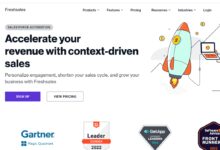
Freshsales combines a clean UI with powerful automation and AI-based lead scoring. It’s designed to help small sales teams prioritize high-value leads and close deals faster.
- Visual deal pipeline with drag-and-drop functionality
- Integrated phone and email within the platform
- AI-powered lead prioritization
Freshsales is perfect for startups and SMBs wanting a modern, intuitive CRM. Check it out at Freshsales CRM.
5. Pipedrive
Pipedrive is built specifically for sales-focused teams. Its visual sales pipeline makes it easy to track deals from initial contact to close, making it one of the most intuitive Sales CRM software for small business platforms.
- Drag-and-drop pipeline management
- Activity reminders and automated workflows
- Strong integration with Google Workspace and Microsoft 365
Pipedrive excels in simplicity and sales-centric design. Learn more at Pipedrive.
6. Insightly
Insightly blends CRM with project management, making it ideal for small businesses managing client projects. It tracks customer interactions, tasks, and milestones in one place.
- Project and task management integration
- Relationship linking to map customer networks
- Customizable dashboards and reports
If your business delivers services or products over time, Insightly offers a holistic view. Explore at Insightly CRM.
7. Agile CRM
Agile CRM is an all-in-one solution that combines sales, marketing, and service features. It includes email campaigns, web tracking, and telephony—all in a single platform.
- Free plan with contact and deal management
- Website visitor tracking and lead scoring
- Integrated VoIP calling and email automation
Agile CRM is great for bootstrapped startups. Visit Agile CRM to get started.
Key Features to Look for in Sales CRM Software for Small Business
Not all CRMs are created equal. When evaluating Sales CRM software for small business, focus on features that align with your team size, sales process, and growth goals.
Contact and Lead Management
The core of any CRM is its ability to store and organize customer data. Look for systems that allow you to segment contacts, track lead sources, and assign ownership.
- Custom fields for industry-specific data
- Duplicate contact merging
- Import/export functionality
Sales Pipeline Tracking
A visual pipeline helps your team understand where each deal stands. The best Sales CRM software for small business offers customizable stages, drag-and-drop functionality, and real-time updates.
- Customizable deal stages (e.g., Prospect, Demo, Negotiation, Closed)
- Probability forecasting based on stage
- Deal value tracking and revenue forecasting
Automation and Workflow Tools
Automation saves time and reduces human error. Look for CRMs that allow you to automate follow-up emails, task assignments, and reminders.
- Trigger-based actions (e.g., send email after form submission)
- Task automation for onboarding or renewal processes
- Multi-step workflows for complex sales cycles
“Businesses using CRM automation see a 14.5% increase in sales productivity.” — Salesforce State of Sales Report
How to Choose the Right Sales CRM Software for Small Business
Selecting the perfect CRM isn’t just about features—it’s about fit. Here’s a step-by-step guide to help you make the best choice.
Assess Your Sales Process
Map out your current sales cycle. How many stages are there? What tools do you currently use? Understanding your workflow helps identify which CRM features are essential.
- Identify bottlenecks in your current process
- List must-have vs. nice-to-have features
- Involve your sales team in the evaluation
Consider Scalability
Your CRM should grow with your business. Choose a platform that offers tiered pricing and advanced features as you scale.
- Check if the CRM supports additional users and integrations
- Look for API access for custom development
- Ensure data portability in case you switch later
Test User Experience
A powerful CRM is useless if your team won’t use it. Prioritize ease of use, mobile access, and onboarding support.
- Take advantage of free trials and demos
- Check user reviews on sites like G2 and Capterra
- Look for onboarding resources and customer support
Common Mistakes to Avoid When Implementing Sales CRM Software for Small Business
Even the best Sales CRM software for small business can fail if implemented poorly. Avoid these common pitfalls to ensure a smooth rollout.
Skipping Team Training
One of the biggest reasons CRM adoption fails is lack of proper training. Employees need to understand not just how to use the system, but why it benefits them.
- Provide hands-on training sessions
- Create quick-reference guides
- Assign a CRM champion within the team
Over-Customizing Too Early
While customization is powerful, overdoing it early can lead to complexity and confusion. Start with default settings and refine as you learn.
- Use out-of-the-box features first
- Gradually add custom fields and workflows
- Document all changes for consistency
Ignoring Data Quality
Garbage in, garbage out. If your CRM is filled with outdated or duplicate contacts, it loses its value. Establish data entry standards from day one.
- Set rules for contact naming and tagging
- Regularly audit and clean your database
- Use deduplication tools built into the CRM
“Poor data quality costs businesses an average of $12.9 million annually.” — Gartner
Integrating Sales CRM Software for Small Business with Other Tools
A CRM doesn’t work in isolation. The real power comes when it integrates with your email, calendar, marketing, and support tools.
Email and Calendar Sync
The best Sales CRM software for small business syncs seamlessly with Gmail, Outlook, or Google Calendar. This allows automatic logging of emails and meetings, reducing manual entry.
- Automatic activity logging saves hours per week
- Schedule meetings directly from the CRM
- Track email open and click rates
Marketing Automation
Integrate your CRM with email marketing platforms like Mailchimp or ActiveCampaign to nurture leads with targeted campaigns.
- Sync contact lists automatically
- Trigger emails based on CRM actions (e.g., deal stage change)
- Track campaign ROI within the CRM
Customer Support and Helpdesk
Linking your CRM with support tools like Zendesk or Freshdesk ensures a 360-degree view of the customer. Sales and support teams can collaborate effectively.
- View support tickets alongside sales history
- Escalate issues from CRM to support team
- Improve customer experience with unified data
Measuring the ROI of Your Sales CRM Software for Small Business
Investing in a CRM should deliver measurable returns. Here’s how to track its impact on your business.
Sales Performance Metrics
Monitor key sales indicators before and after CRM implementation to assess improvement.
- Average deal size
- Sales cycle length
- Conversion rates by stage
Team Productivity Gains
Track how much time your team saves on administrative tasks thanks to automation and centralized data.
- Hours spent on manual data entry
- Number of follow-ups completed per day
- Reduction in missed opportunities
Customer Satisfaction and Retention
A good CRM improves customer experience. Measure retention rates, repeat purchase rates, and customer feedback.
- Net Promoter Score (NPS)
- Customer churn rate
- Support response and resolution times
“Companies using CRM report a 30% increase in customer satisfaction.” — SuperOffice
What is the best Sales CRM software for small business with a free plan?
HubSpot CRM and Agile CRM offer robust free plans that include contact management, deal tracking, and basic automation. HubSpot is ideal for businesses focused on inbound marketing, while Agile CRM suits those needing integrated telephony and email marketing.
Can a CRM help with lead generation?
Yes. Many Sales CRM software for small business platforms include web forms, landing pages, and website visitor tracking to capture and qualify leads. When integrated with marketing tools, they can automate lead nurturing campaigns.
How long does it take to implement a CRM?
For small businesses, implementation typically takes 1–4 weeks. This includes data migration, team training, and workflow setup. Cloud-based CRMs like Zoho or Pipedrive can be up and running in days.
Is CRM software secure for small businesses?
Reputable CRM providers use enterprise-grade security, including data encryption, two-factor authentication, and regular backups. Always check compliance with standards like GDPR or SOC 2, especially if handling sensitive customer data.
Do I need IT support to use a CRM?
Most modern Sales CRM software for small business is designed for non-technical users. Platforms like Freshsales and Pipedrive offer intuitive interfaces and extensive help centers. However, for complex integrations or customizations, some IT or consultant support may be beneficial.
Choosing the right Sales CRM software for small business isn’t just about technology—it’s about transformation. From boosting sales efficiency to enhancing customer relationships, the right CRM can be the backbone of your growth. By focusing on key features, avoiding common mistakes, and measuring ROI, you can turn your CRM into a powerful engine for success. The tools are there—now it’s time to use them wisely.
Further Reading: